Optimizing Orthopedic Outcomes via Pre-Op Planning
Preoperative planning helps orthopedic surgeons anticipate challenges, select appropriate implants, and standardize procedures. It reduces variability and improves outcomes for both patients and surgical teams.
Why Preoperative Planning Matters
Planning before surgery allows surgeons to understand the patient’s anatomy and any potential complications. Reviewing imaging like X-rays or CT scans ahead of time ensures that implants are sized correctly and steps are clearly defined.
Without preoperative planning, procedures can take longer, and unexpected challenges may arise. Planning improves accuracy and gives surgeons confidence in their approach.
Impact on Surgical Accuracy and Alignment
Accurate planning helps ensure that bones are aligned properly and implants fit as intended. Proper alignment is crucial for mobility, joint function, and long-term patient outcomes.
When planning is rushed or incomplete, small errors in measurements can affect surgical success. AI-assisted tools help maintain consistency across multiple cases, reducing variability between surgeons and hospitals.
Effect on Operating Time and Complications
Clear planning reduces the time spent in the operating room. Surgeons spend less time making on-the-spot decisions and more time focused on execution.
Fewer surprises during surgery also lowers the risk of complications. Studies show that surgeries with detailed preoperative plans tend to have better outcomes and fewer revisions.
Why Consistency Matters Across Cases
Standardizing planning methods helps surgical teams replicate successful results. Hospitals benefit from predictable procedures and more efficient scheduling. Patients receive consistent care, regardless of which surgeon performs the procedure.
AI-assisted planning supports this consistency by applying the same analytical methods to every case, ensuring repeatable results and reinforcing best practices.
The Role of AI in Preoperative Planning
AI tools analyze imaging and clinical data to provide structured guidance to surgeons. They do not make decisions but highlight potential considerations and allow simulations of different approaches.
This combination of automation and human oversight improves workflow efficiency, reduces variability, and helps teams prepare more thoroughly without compromising clinical judgment.
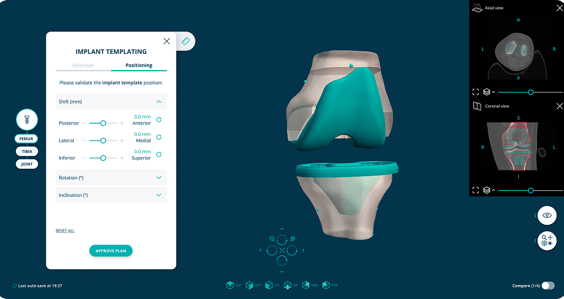
PeekMed provides AI-powered planning that supports surgeons in preparing each case accurately. It integrates with existing workflows and ensures surgeons retain full control while benefiting from data-driven insights.
Preoperative planning is essential for orthopedic surgery. Combining careful planning with AI support increases precision, reduces variability, and improves patient outcomes. Hospitals benefit from smoother workflows, and surgeons gain confidence in their surgical strategy.
References
- Healy, G. “Preoperative Planning in Orthopedic Surgery.” Journal of Orthopaedic Surgery, 2021.
- Smith, T. et al. “AI-Assisted Surgical Planning: Accuracy and Clinical Impact.” Clinical Orthopaedics and Related Research, 2022.
- FDA. “Medical Device Overview.” U.S. Food & Drug Administration, 2023. https://www.fda.gov/medical-devices
- PeekMed, “AI-Powered Surgical Planning Overview,” 2026 internal documentation.